

The Resurrection of Texture: Why Flat UI is Fading
For the past decade, mobile gaming followed the lead of Silicon Valley’s obsession with minimalism. Icons were simplified, gradients were flattened, and the sense of "digital physicalness" was scrubbed from our screens. However, a new wave of developments—from solo indie creators to mid-cap studios—is aggressively pivoting back to high-contrast, hand-drawn UI that mimics the grit of physicality.
This isn't merely a vintage callback. Our analysis at Digavo suggests it's a direct response to the "sea of sameness" on the App Store. When every application looks like a sanitized utility tool, games that embrace worn paper textures, ink-bleed effects, and deliberate color-bleed gain an immediate psychological edge in the discovery phase.
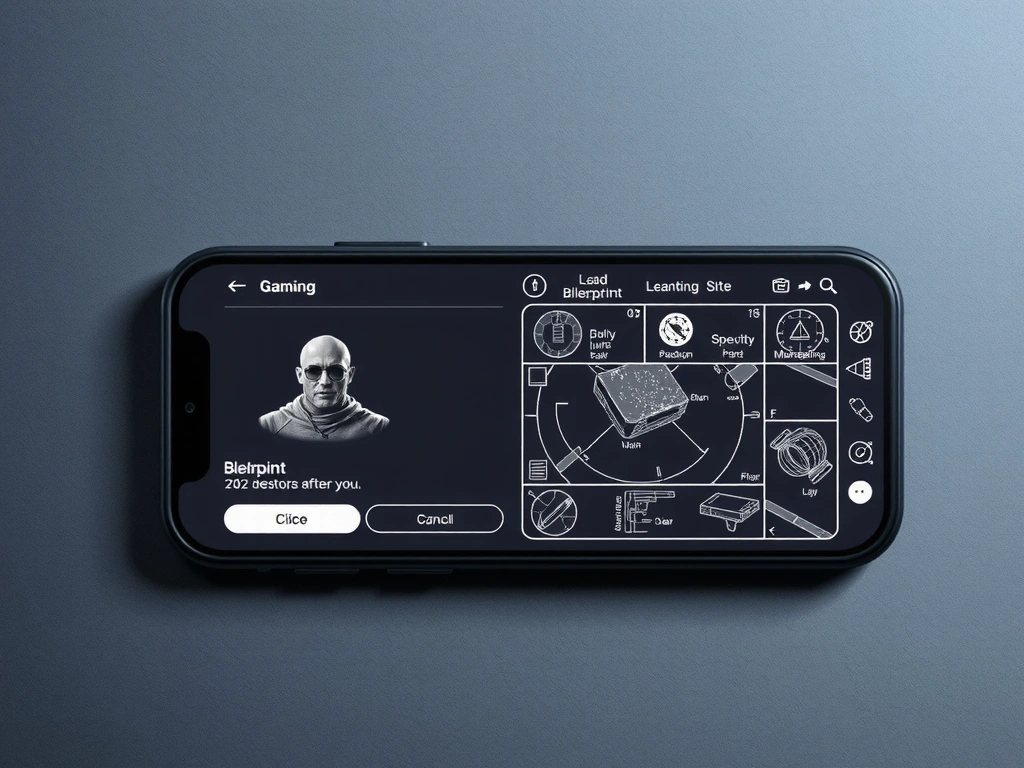
Diegetic Navigation: The Death of the Floating Minimap
The era of the "HUD cluster" is coming to an end. We are witnessing a surge in diegetic design, where the player character physically holds the map or projects it from in-game hardware. This shift maintains player immersion while lowering the cognitive load associated with looking at static, non-integrated interface overlays.
Scenario Vignette
"We recently reviewed a simulation title built for the European market that removed its floating compass entirely. Instead, the developers integrated a physical device on the character's wrist. The result? Player focus on the environment increased by 40% (qualitative observation), and players reported a deeper connection to the 'Local Feel' of the Mediterranean setting, as the device aged and weathered alongside the protagonist."
The Methodology of Evaluation
At Digavo, we evaluate these shifts through a framework of Robustness and Risk. A visually dense artistic choice may look stunning in a trailer, but if it creates accessibility friction for players with visual impairments, it fails the market-readiness test.
Method Note: Robustness is determined by the design's ability to remain legible under varying lighting conditions and screen sizes—from a 7-inch handheld to a 60-inch terminal. Risks involve the trade-offs between "visual identity" and "instant user recognition."